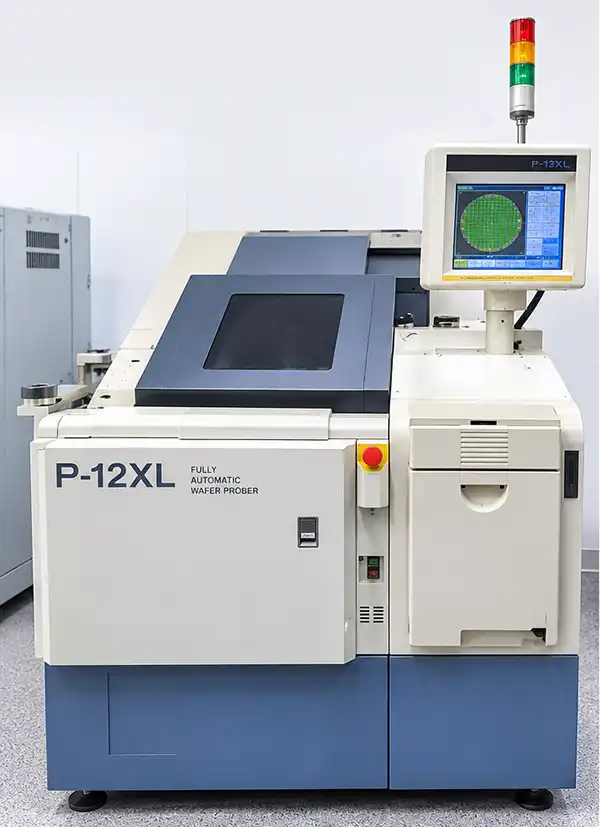
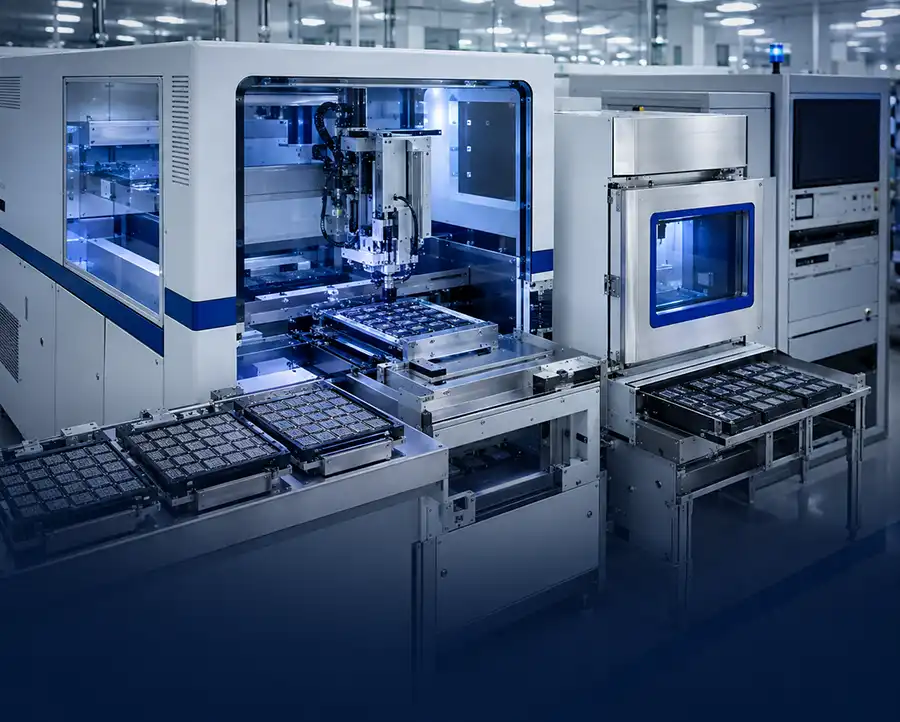
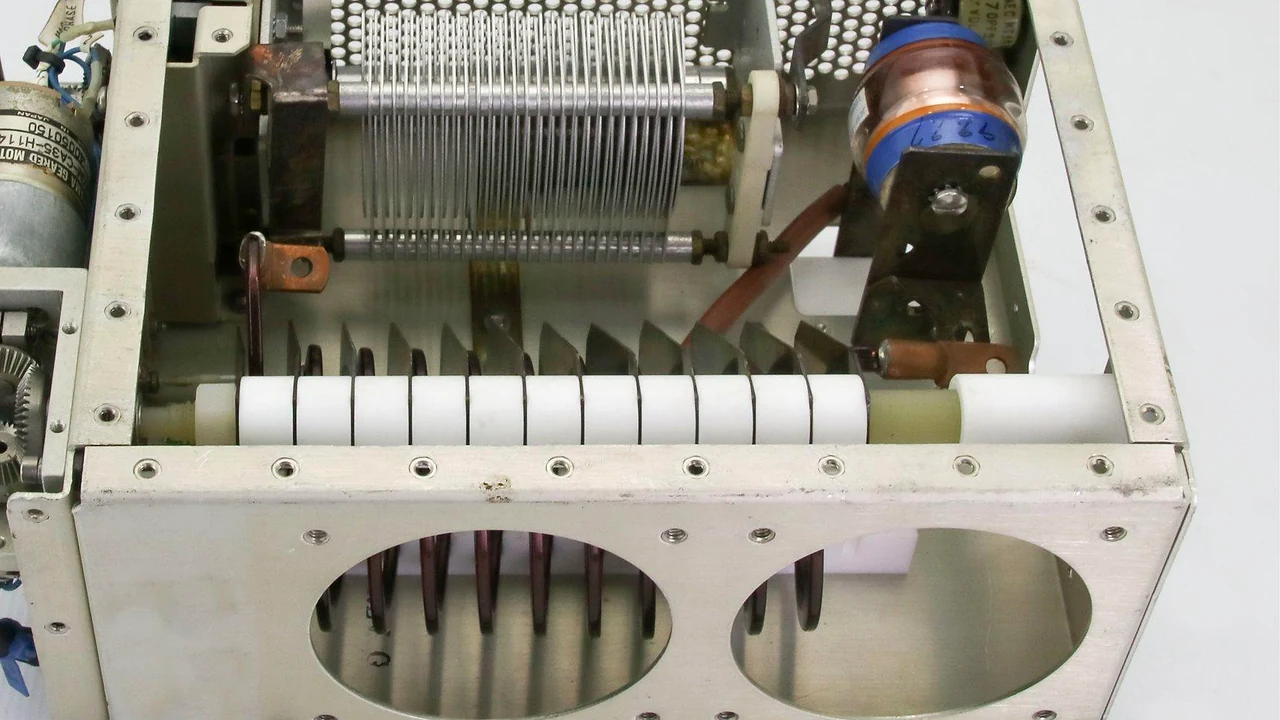
Diagnostic Summary: Unstable plasma ignition, high RF reflected power trips (> 10–15 W), slow chamber pump-down, and drifting surface contact angles on Nordson MARCH, PVA TePla, and front-end plasma etchers trace to four core subsystems: the 13.56 MHz RF generator, the auto-matching network (vacuum variable capacitors & stepper drives), the dry vacuum pump / gate valve train, and the Mass Flow Controllers (MFCs). Logging base pressure, matchbox C1/C2 tune positions, and MFC zero-offset weekly lets maintenance teams catch failures weeks before a hard chamber shutdown.
- RF Matchbox Early Warning: Tune/Load capacitor positions hunting back and forth or drifting > 10% from historical baseline signal arcing copper straps, worn stepper gears, or a leaky vacuum capacitor.
- Vacuum Integrity Metric: Run a 60-second rate-of-rise (RoR) leak check weekly—a sudden jump exposes aging Viton door seals or weeping gate-valve bellows immediately.
- MFC Drift Rule: An MFC reading 100 sccm on the HMI can actually deliver 70 sccm or 130 sccm if its thermal capillary sensor fouls—verify with an external flow check or N2 bench calibration annually.
Why RF Reflected Power Trips Are Often Not the RF Generator's Fault
When a Nordson MARCH AP-600, PVA TePla IoN 200, or front-end wafer etcher trips on high RF reflected power, swapping the 13.56 MHz RF power supply first solves the problem less than half the time. Reflected power occurs whenever the complex impedance of the plasma chamber deviates from 50 Ω—which can be caused by a faulty RF generator, a stuck auto-matching network capacitor, an oxidized RF coax connector, a chamber pressure surge from a sluggish APC throttle valve, or wrong gas flow from a drifted MFC.
Plasma Cleaner & Etcher Subsystem Diagnostic Matrix
| Symptom on Chamber | Subsystem Suspected | Quick Isolation Test | Verified Repair Pathway |
|---|---|---|---|
| Reflected Power > 15 W / Plasma Won't Strike | RF Generator, Auto-Matchbox, or RF Cable | Test RF generator directly into a calibrated 50 Ω water-cooled dummy load; watch C1/C2 motor travel | If generator fails into 50 Ω load → RF power supply repair; if capacitors hunt/arc → RF matchbox repair |
| Slow Pump-Down / High Base Pressure | Dry Vacuum Pump, Gate Valve, or Door O-Ring | Isolate chamber gate valve and measure pump foreline base pressure directly vs. chamber RoR leak rate | Foreline high → dry vacuum pump overhaul; chamber RoR high → door seal or vacuum valve overhaul |
| Uneven Contact Angle / Process Drift | Mass Flow Controller (MFC) or Baratron Gauge | Check MFC zero-reading under hard vacuum; compare chamber pressure vs. known N2 flow baseline | Re-zero Baratron gauge; send MFC for sensor cleaning & MFC repair & calibration |
| Chamber Arcing / Glowing Dark Spots | RF Feedthrough, Electrode Anodizing, or Ground Straps | Inspect ceramic RF insulators, shelf contact clips, and chamber wall polymer deposits | Clean chamber polymer; replace cracked alumina insulators & loose RF finger-stock grounding strips |
| APC Pressure Hunting (±20 mTorr) | APC Pendulum/Butterfly Valve or Stepper Controller | Command manual valve open/close increments (10% to 90%) and observe stiction or backlash | Clean process-byproduct buildup on flapper plate or service via APC valve repair |
5-Step Preventive Maintenance Calendar for Plasma Subsystems
- Weekly (10 Minutes): Log base pressure, 60-second chamber rate-of-rise (mTorr/min), steady-state RF forward/reflected power, and C1/C2 matchbox capacitor positions on your standard reference recipe.
- Monthly: Wipe chamber door Viton O-ring clean with lint-free wiper (never use excessive silicone vacuum grease, which outgasses onto bond pads), inspect quartz viewing window, and verify N2 purge flow on the dry pump.
- Semi-Annually: Power down and lock out RF mains, inspect HN/N-type RF coax connectors for blackened pin arcing, tighten matchbox silver-plated copper straps, and check dry pump motor current draw & exhaust muffler backpressure.
- Annually: Calibrate all active MFCs (O2, Ar, H2/N2, CF4) and Baratron capacitance manometers against traceable standards, and inspect RF generator cooling fans/heat-sink dust.
- Maintain One Hot-Spare Strategy on Critical Lines: Keeping a calibrated spare MFC and knowing your rapid-turnaround lab for RF generators, matchboxes, and vacuum pumps turns potential 3-week fab outages into single-shift module swaps.
Related RF, Vacuum & Plasma Repair Services
Frequently Asked Questions
How do I know if a vacuum variable capacitor inside an RF matchbox has failed?
Signs include sudden loss of tuning range (capacitor hits 0% or 100% hard stop while reflected power stays high), visible internal flashover/arcing inside the ceramic/glass envelope, or a measurable drop in high-voltage standoff insulation resistance on a bench hi-pot tester.
Why does a dry vacuum pump's motor current rise gradually over several months?
Process byproducts from plasma etching, epoxy outgassing, or molding compounds slowly condense inside the exhaust stages of dry roots/claw pumps, narrowing rotor clearances. Proactive N2 ballast purge and timely pump overhaul prevent catastrophic rotor seizure.
Can an MFC calibrated for nitrogen (N2) be used accurately for argon or oxygen?
Only if the proper thermal Gas Correction Factor (GCF) is applied inside the MFC firmware or tool controller (e.g., Ar ≈ 1.40, O2 ≈ 0.99 relative to N2 = 1.00). Using an uncompensated MFC causes severe gas-ratio errors—and oxygen MFCs must always be oxygen-cleaned and Viton/metal-sealed for safety.
What brands of RF generators and MFCs does GK-SEMI repair?
Our RF and vacuum lab services Advanced Energy (AE), ENI / MKS, Daihen, Comdel, and Huettinger RF generators & matchboxes, Horiba Stec, MKS, and Brooks MFCs, VAT vacuum valves, and Edwards, Ebara, and Kashiyama dry vacuum pumps.