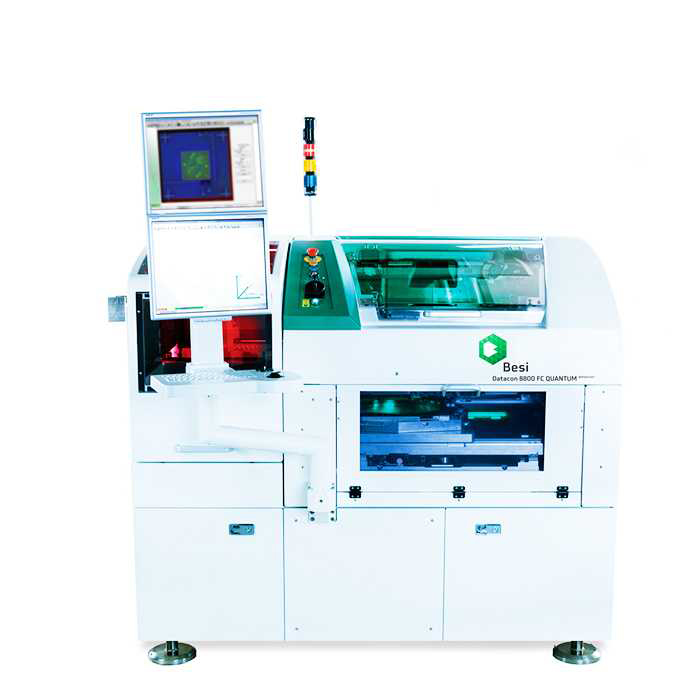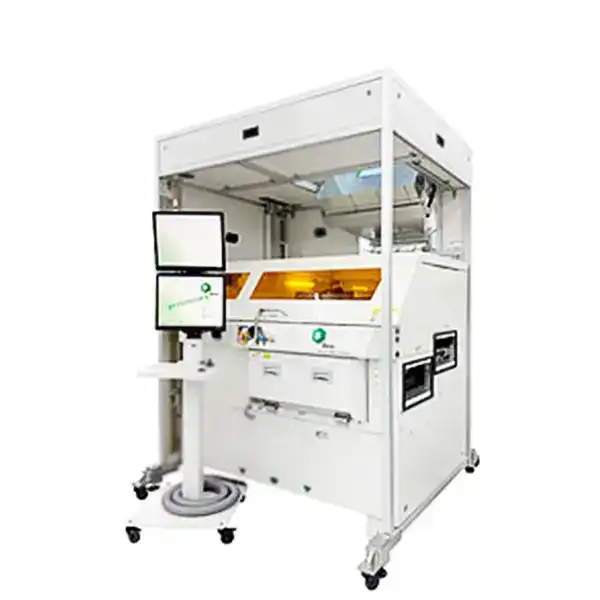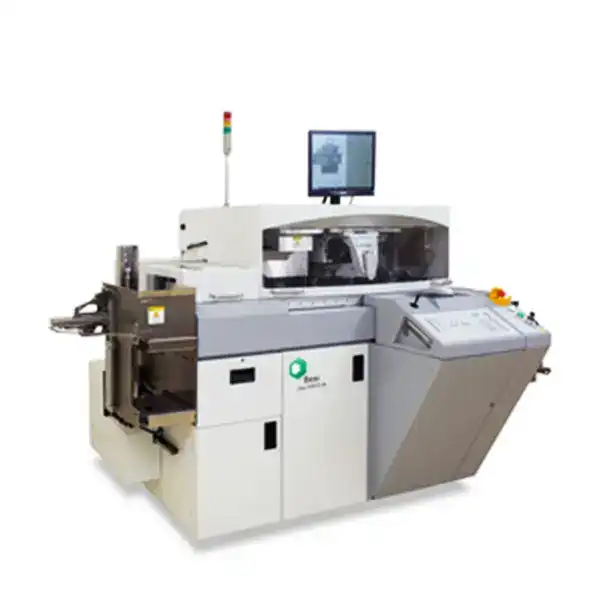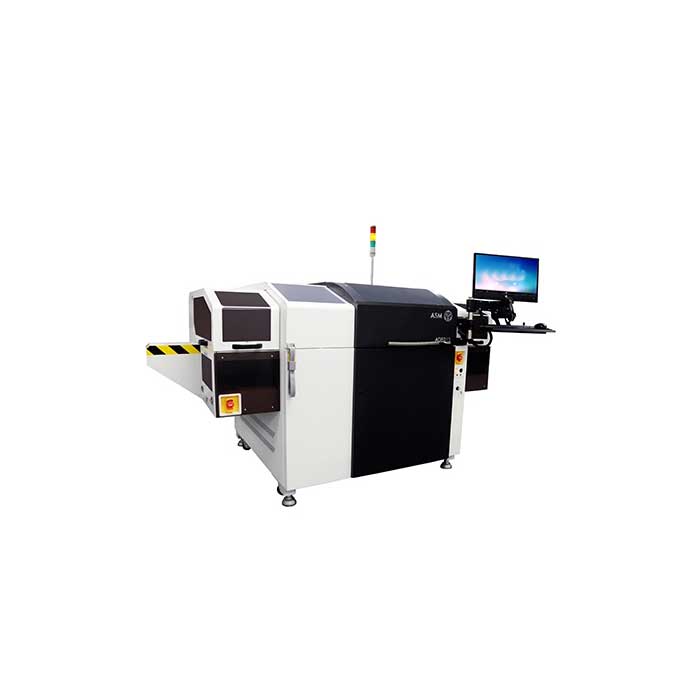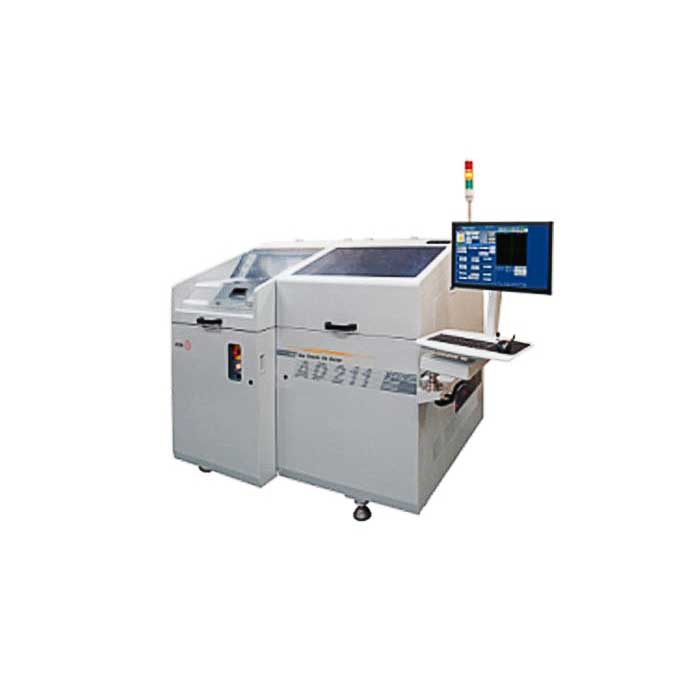
ASM Die Bonder Models and AD Series Platforms
Review selected ASM die bonding machines by platform direction. Exact process capability must always be confirmed from the installed machine configuration, tooling and production test.
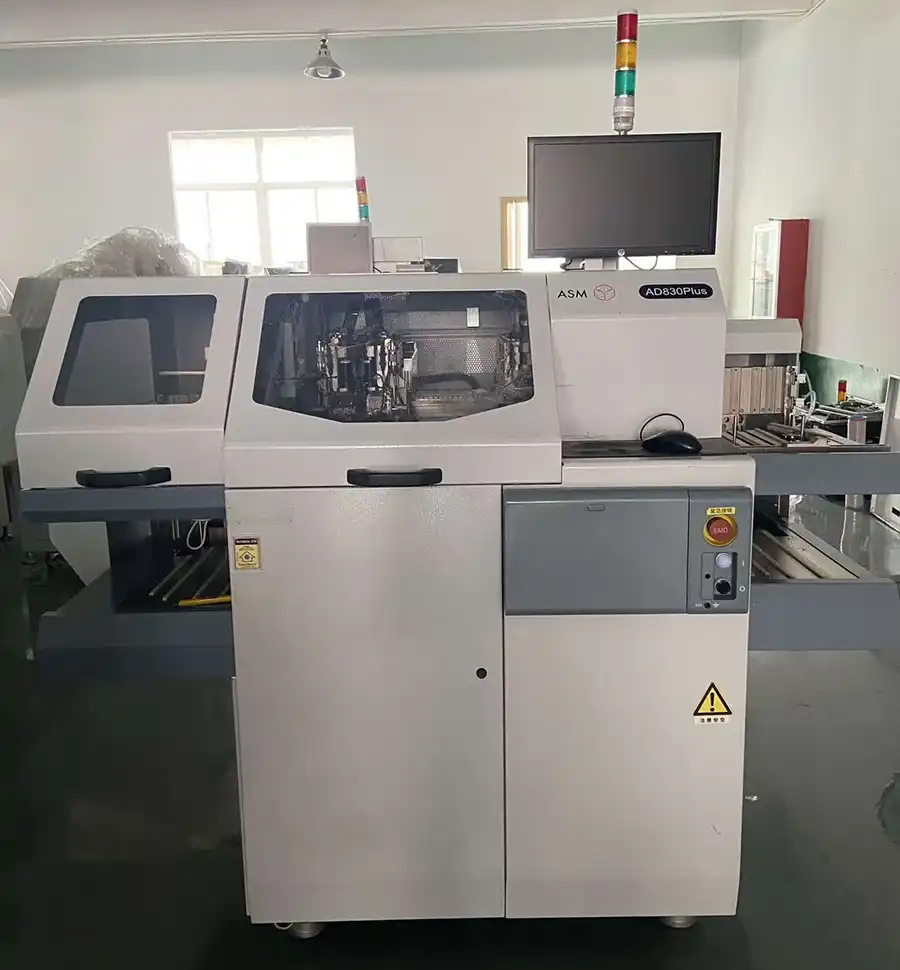
ASM AD830 Plus
A fully automatic high-speed die bonder designed for wafer-to-leadframe silver-epoxy die attach, with programmable bonding, wafer alignment and inspection functions.
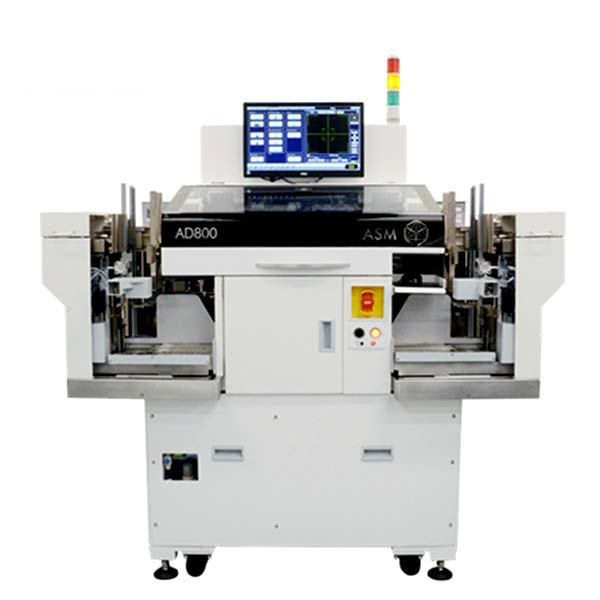
ASM AD800
A mature automatic die bonding platform used in established semiconductor packaging environments. Tooling, software, material flow and installed modules should be verified individually.
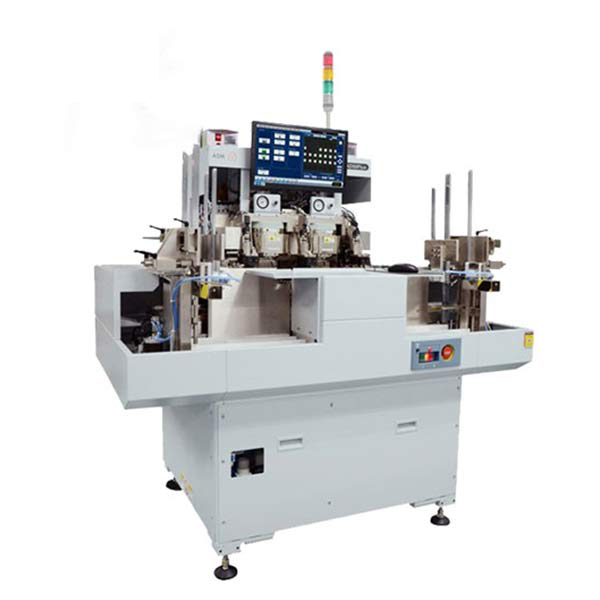
ASM AD50Pro
An ASM die bonding platform evaluated for precision-oriented and specialized packaging applications. Final suitability depends on the exact process and configured machine options.
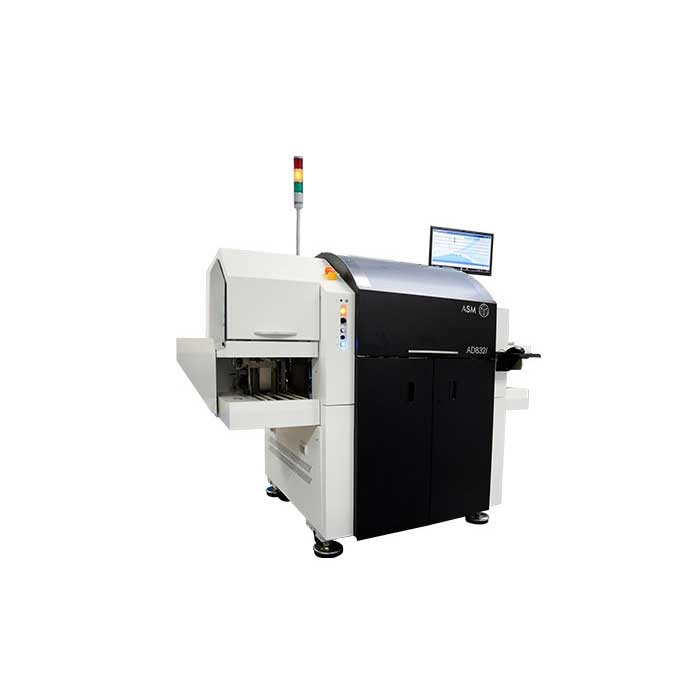
ASMPT AD832i
A configurable automatic die bonding system whose process range, material input and inspection capability must be confirmed from the specific installed machine build.
Choose an ASM Die Bonder by Die Attach Process
The correct machine depends on how the die is attached, how materials enter the system and what must be inspected before and after placement.
Epoxy Die Attach
For packages using controlled epoxy deposits before die placement. Confirm dispensing method, material viscosity and curing requirements.
Silver-Epoxy Leadframe Bonding
Used for wafer-to-leadframe processes requiring silver-epoxy dispensing or stamping before automatic die placement.
Eutectic or Solder Attach
Requires process-specific heating, material handling and bonding control. Compatibility must be confirmed from the exact platform configuration.
High-Speed Die Placement
Production output depends on die size, indexing, vision inspection, material loading and the complete bonding cycle.
Specialized Packaging
Advanced, high-mix or unusual package formats require confirmation of tooling, optics, software and material-handling modules.
Compare Selected ASM Die Bonder Platforms
This comparison provides a practical starting point. It does not replace inspection of the exact available machine, serial number, modules and production configuration.
| Model | Platform Direction | Material Flow | Process Focus | Important Selection Note |
|---|---|---|---|---|
| ASM AD830 Plus | High-speed automatic die bonding | Wafer to leadframe | Silver-epoxy die attach | Confirm epoxy module, input system, wafer loader and tooling. |
| ASM AD800 | Mature automatic bonding platform | Configuration-dependent | Established semiconductor die attach | Verify legacy software, tooling and exact material-handling build. |
| ASM AD50Pro | Precision-oriented platform | Configuration-dependent | Specialized die attach applications | Confirm package suitability, installed options and process capability. |
| ASMPT AD832i | Configurable automatic platform | Configuration-dependent | Model-specific die bonding | Review the complete machine build, software and production test. |
How to Select the Right ASM Die Bonder
Use the complete production requirement—not only the machine model—to select a suitable ASM die bonding platform.
Die Attach Method
Confirm epoxy, silver epoxy, eutectic, solder or another process before comparing machine models.
Die Dimensions
Provide die length, width, thickness, surface condition and pickup restrictions.
Die Presentation
Confirm wafer size, ring or frame format, wafer map and automatic-loader requirements.
Leadframe or Substrate
Review outer dimensions, indexing pitch, bond layout, magazine and support tooling.
Placement and Inspection
Define alignment, orientation, bond-force and pre-bond or post-bond inspection needs.
Production Requirement
Evaluate the complete cycle, material handling, inspection time and changeover frequency.
Installed Configuration
Confirm wafer loader, epoxy system, input elevator, output elevator, optics and software.
Used Machine Status
Review serial number, alarms, motion, vision, tooling, maintenance and production-test results.
Used ASM Die Bonder Configuration and Condition Review
Two machines with the same model designation can have different production capabilities. Confirm the complete machine build before purchasing.
Configuration Confirmation
- Machine model, nameplate, serial number and manufacturing year
- Wafer size, wafer stage, loader and wafer-map capability
- Leadframe, substrate or carrier handling arrangement
- Epoxy, dispensing, stamping or heating modules
- Bond head, ejector, collet and package-specific tooling
- Cameras, optics, lighting and inspection functions
- Software version, package files and communication options
- Included accessories, manuals and calibration tools
Condition and Production Check
- Machine startup, homing and motion-control condition
- Bond-head movement, height control and vacuum response
- Wafer-table movement, ejector operation and die pickup
- Material transport, magazine handling and indexing
- Vision image quality, recognition and alignment repeatability
- Alarm history, modified wiring and bypassed sensors
- Tool wear, contamination and previous collision signs
- Representative sample-production testing when possible
ASM Die Bonder FAQ
Answers to common questions about ASM and ASMPT die bonding machines, model selection and used-equipment evaluation.
An ASM die bonder is used during semiconductor assembly to transfer a bare die from a wafer, waffle pack or another die source to a leadframe, substrate, package carrier or bonding surface. The machine coordinates die recognition, pickup tooling, motion control, bonding-material application, placement and inspection according to the production recipe.
Depending on the platform, it may perform die recognition, pickup, alignment, bonding-material application, placement, inspection and automatic material handling within one production system.
Model availability changes regularly. Selected platforms may include AD830 Plus, AD800, AD50Pro, AD832i and other configuration-specific ASM or ASMPT die bonding systems.
ASM, ASM Pacific Technology and ASMPT may appear in different machine generations, manuals and equipment records. The exact model, serial number and installed configuration are more important than the brand-name variation.
Start with the die attach process, die dimensions, wafer or die input, leadframe or substrate format, placement requirements, target output, inspection needs and required material-handling modules.
Yes, provided the machine configuration matches the product and its motion, vision, tooling, material handling and bonding process have been properly inspected and tested.
No. Process capability varies by platform, machine generation and installed options. The exact epoxy, heating, wafer, substrate, tooling and inspection configuration must be confirmed.
Provide the required model, die dimensions, wafer size, leadframe or substrate drawing, die attach process, target output, inspection requirements, preferred equipment condition and destination country.